
.svg)
.webp)
Why is Proper Drainage Important For Plants?
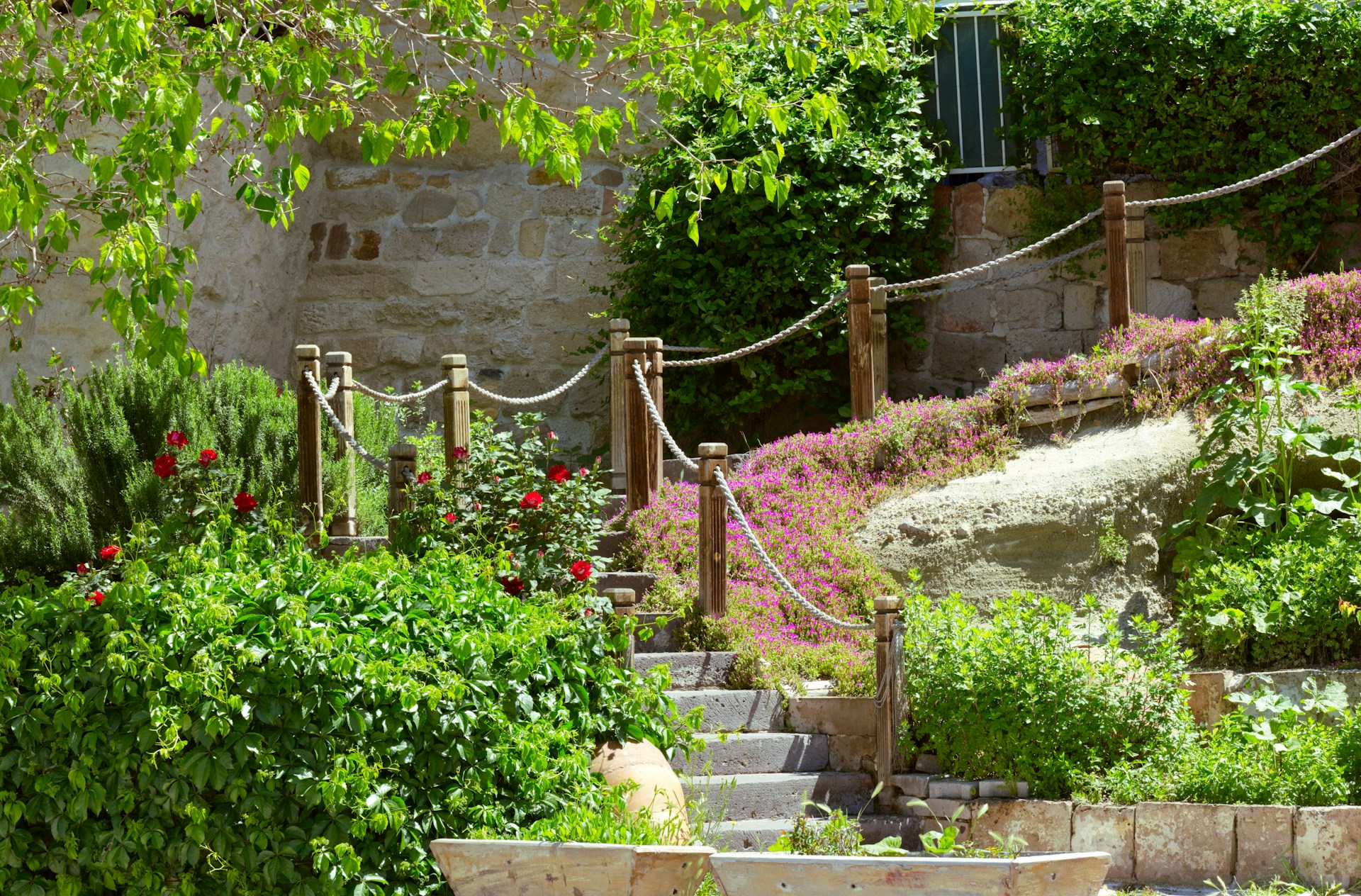
Proper soil drainage is important for strong plant growth. Poor soil drainage can be disastrous for vegetation, leading to saturated soils that negatively impact plant growth. Water-logged soils reduce the amount of oxygen that can get to the roots, which prohibits the plant from sucking up water. Plants also can’t resist pathogens when the soil is water-logged.
Composition of Soil
Soils are comprised of sands, clays and silts. Sand is the coarsest, clay is the finest, and silt is right in the middle. Soils that contain equal portions of these three types are called loams, and plants fare well in loamy soils.
Soil that is too much of one type isn’t good for plants. If it’s too clay-like, it will retain the water too much, and the plant won’t be able to extract water. On the other hand, fine silts can drain the water too fast, which is also not good for plants.
High water tables, compaction layers (such as via heavy vehicles), and shallow bedrock are all other factors that can cause drainage problems.
How to Improve Drainage
Some plants such as willows, honey locust and arborvitae are better able to tolerate poorly drained soils. You can add soil conditioners and organic matter to your soil to improve drainage. Here are some more tips:
- Install subsurface tile drains. These are basically sections of perforated pipe that you can bury below the soil surface. Excess water gets carried away by pipes and diverts the water away from the roots of plants.
- Install vertical drains. Place these four- to six-inch diameter holes in tree and shrub planting holes. They should be dug with a post-hole digger or soil auger three to five feet deep, adjacent to the roots. The drains become full of gravel, allowing water to drain underneath the root zone while retaining the soil walls.
- Plant in raised soil beds. Mound the soil up to 12 inches Ensure a portion of the plant roots stay above the surrounding soil to allow water to drain away from the soil bed.
- Mix layers of soil. If you decide to add a new soil layer, be sure to mix it well with the soil below it. Soil layers can get too saturated if the soil below is made of a coarser texture.
Proper soil drainage can be a tricky thing to balance out. Hiring a landscape professional skilled in this area is your best bet. Here at Bare Roots, we bring the experience and knowledge of irrigation and drainage you need to have thriving plants.
Contact Bare Roots Landscape Solutions
If your Dallas landscape is suffering from poor soil drainage, contact us for a free quote at 866-616-3097 today. During our consultation, we can take a look at your landscape, determine your needs, and provide a solution.
Request Your Free Consultation Today.
